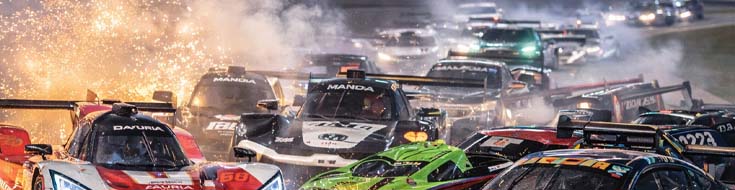
When it comes to the Rolex 24 at Daytona, the expectations are for over 700 laps of anything and everything. This year, however, has already gone above and beyond that. Before the sun even came up, there were multiple lead changes for many of the classes. There were strategic calls that moved cars up and down the order after each pit cycle. Not to mention the hour-by-hour manufacturer fights. This is why bettors continue to bet on motorsports online at record levels during endurance events — the market moves fast, and informed timing matters.
Daytona is not about who can go the fastest for 20 laps. It is about who can survive the traffic, manage the night, and keep the car clean while others make mistakes. With classes like the LMDh and GT mixing it up, the difference between finishing first and finishing fifth can often come down to one caution and one clear restart.
The following will break down the current state of the race, which teams are gaining real leverage, and the betting value as the last hours of the race approach. We will examine and go beyond the generic lead-shift trends, class-by-class performance, useful strategic indicators for the bettors, and anything to keep an eye on before the checkered flag. If you are looking for insight and not hype, this is the place to be.
Chaos at the Front: Lead Changes That Matter
The most significant stat is not about the lap times; it is about the lead volatility. By the halfway point, the overall lead had changed hands over a dozen times between the GTP and LMP2 classes. , which is unprecedented, even by Daytona standards. The Rolex 24 historically sees 9 lead changes in the top class. This year, that record was already surpassed.
Cadillac, Porsche, and Acura showed some good pace, but none of them has been able to control long green flag runs consistently. Cadillac’s advantage in traffic is now neutralized by Porsche’s fuel efficiency. Acura’s straight-line speed makes it good on restarts. However, their tire degradation over long stints has been concerning.
This signals one thing: pre-race favorites have not been able to come to the top of the board as they would have at the green flag. Now, in race markets are reflecting momentum and pit strategies are reflecting more than outright speed. Losing a lead at the 8-hour mark is more than 40% likely to yield a loss at Daytona. The data says to be patient.
The GTD Pro class is even tighter. The lead has been swapped multiple times amongst the Corvette, BMW, and Ferrari, often within a 2-second margin. Clean air and no penalties have been the reasons for the dramatic reshuffling of the odds.
Class-by-Class Reality Check
Looking across classes gives bettors a clearer context than focusing on overall headlines.
GTP (Top Class):
Porsche has been impressively consistent. They haven’t dominated any particular stint, but they also haven’t fallen out of contention, which is crucial for the end. Cadillac has the raw pace, but small inefficiencies in the pit lane are hurting them. Acura still has the highest ceiling, but they need the last six hours to go error-free.
LMP2:
This class still rewards discipline the most. The leader is not the fastest car single-lap pace-wise, but rather the leader is the car that is mistake-free, hits fuel numbers, and avoids issues with other classes. The last few Daytona LMP2 winners are the top 3 cars in hour 18. It’s certainly a trend worth monitoring.
GTD Pro & GTD:
Corvette’s ability to regain the lead after cautions has shifted markets. BMW looks strong over long runs, while Ferrari has shown speed but has also been into the walls. In GTD, the strategic variants are enormous. Expect pandemonium late, and don’t commit early.
Endurance racing is where a safe and legal online sportsbook becomes essential — live odds change faster than in any other motorsport.
Turning Race Flow Into Betting Decisions
To understand Daytona, one must understand timing. There are different types of leads.
Leads made during purse periods with caution are likely to fizzle out. Leads made when the track is green for long periods of time are the most valuable. Keep track of how long the stints are. Teams that have the ability to stretch the fuel by even one more lap have control over the pit windows. This often decides the race.
Another important consideration is the shift from night to day. As the sun rises, the track gets warmer. Tisch gets warmer, and lap times get faster. This favors the cars with good aero stability. Traditionally, Porsche and BMW have it better. The Cadillacs and Corvettes often peak during the night.
As long as you are disciplined, betting is straightforward.
- Do not chase short odds immediately after restarts.
- Look for teams that gain time with no overtakes. This shows they are working with a strategy.
- In the closing laps, focus your betting on the top three and podium markets rather than betting on winners early.
Daytona is a track of patience.
Who’s Set Up Best for the Final Push
If the current trends maintain, the final six hours will favor the teams that stayed out of the penalty box and were able to avoid the stress of the lead lap. This list is shorter than many may think.
In GTP, the most logical positions are still Porsche and Cadillac. Acura is still live, but requires error-free execution. In GTD Pro, Corvette’s racecraft gives it a late advantage. If the odds drift, BMW is still the best value play.
With the weather remaining the same, the less random it is, the more it favors disciplined teams. Expect at least one late full-course caution. Historically, the last caution at Daytona is within the last 90 minutes. This is the time when the odds shift the most.
The smart money will be in that time.
Expert Insights: Betting Daytona Like a Pro
Prioritize Pit Efficiency Rather Than Lap Times
Teams that consistently have fast pit stops gain position on the track efficiently. Track the average track pit delta — it’s predictive later.
Bet Post First Penalty Cycle
Once the big penalties drop, the true contenders separate from the pretenders.
Use Podium Markets Late
Outrights become more volatile, while the top-three markets become more stable in the last hours.
Pay Attention to Driver Rotation Timing
It’s about the top drivers closing stints more than the car pace.
Don’t Fall Into Emotional Favorite Bias
Fan favorites get more love than they deserve. Data.
Frequently Asked Questions
Q: How Head-to-Head Stats Can Give You an Edge in Sports Betting?
A: They remove chaos. In sports betting online, comparing two teams in identical conditions highlights consistency, pit efficiency, and driver reliability — key at Daytona.
Q: How is Daytona 24 different from other endurance races?
A: In comparison to other endurance races like Le Mans or Sebring, Daytona has many speed changes due to tight traffic, resets with cautions, and field compression with randomness.
Q: When is the optimal timing for live bets in the race?
A: From hour 12 to the final major caution window. At that point in the race, the markets become clearer and take more rational bets than in earlier laps.
Q: Is betting the favorites at Daytona historically profitable?
A: No, the favorites are usually not profitable, and the races are won by the top five betting favorites, but the race is rarely won by the betting favorite.
Q: What is the biggest risk for late bettors?
A: After cautions, leads that have been created are likely not stay. They are lost, and so they are not good positions to be betting around.
Q: Does it matter from year to year for manufacturer betting?
A: Yes. At Daytona, Porsche and Corvette have historically been able to change late dominant race positions into wins.
Q: Is betting GTD easier than GTP?
A: No. In terms of traffic, crashes, and strategic varieties, GTD is more unpredictable than GTP.
The Final Laps: Turning Insight Into Action
Even though there are no guarantees at Daytona, whether you’re on the track or trying to place bets, the lessons to be learned from this race are as old as the sport itself: patience beats prediction, discipline beats hype, and good timing beats impulsive decision-making. The fact that there are so many lead changes is not an indicator of chaos, as long as you understand the reasons behind the changes.
A few takeaways are to focus on the teams that are managing long, clean stints, to respect the different pit strategies more than the pace of the laps, to be patient and wait for the late-race clarifications before placing your bets, and to remember why there are so many sportsbooks that allow bettors to bet on motorsports before and during endurance races: the sharp bettors will always have the edge.
Markets are going to start moving quickly as the last hours approach. If you want to look for actionable insights, this is your time. Go to BetNow, secure your place to make smart bets, and enjoy the race.

Hilbert Mayer
Sports Writer
Hilbert Mayer is a professional sports writer, betting analyst, and content strategist with over 15 years of experience in the sports industry. Before focusing on sports betting analysis and handicapping, Hilbert worked as a sports writer for various news outlets, covering everything from game recaps to in-depth matchup features. Today, he specializes in MLB, NFL, March Madness, and UFC betting, combining his journalistic background with deep statistical expertise and real-world betting insights. His proven track record, sharp reads, and ability to break down complex matchups make him a trusted voice among both casual bettors and seasoned sharps.
Published on: January 25, 2026
Last updated: January 25, 2026