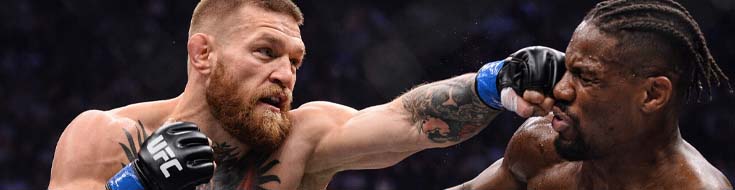
UFC events in 2025 have averaged over 2.8 finishes per main card — a number that matters more than most people think when you’re trying to bet on UFC Fight Night 270. Finishing rates, pace, and stylistic clashes are what separate smart bets from guesses. This card isn’t stacked with superstar names, but that’s exactly where sharp bettors find value.
UFC Fight Night 270 brings a mix of rising prospects, mid-tier contenders, and fighters on the edge of relevance. That combination creates volatility. Volatility creates opportunity. The key is understanding where the numbers match the eye test — and where they don’t.
Here’s what matters: we’ll break down the core statistical trends shaping this card, compare stylistic matchups that influence outcomes, and translate all of it into practical betting decisions. Then we’ll look ahead — what this card means for rankings, futures, and market movement. If you’re serious about making informed decisions, not emotional ones, this is where you focus.
Where the Numbers Point — Efficiency Over Hype
The most consistent edge in recent UFC Fight Nights has come from fighters with a striking accuracy above 50% and takedown defense over 70%. That profile wins more often than odds suggest — especially against aggressive but inefficient opponents.
On this card, several fighters fit that mold. They don’t throw the most volume, but they land cleaner shots and avoid damage. Over three rounds, that adds up. Judges reward control and efficiency more than chaos unless there’s a clear finish.
Another stat that matters: significant strikes absorbed per minute. Fighters absorbing over 4.5 per minute tend to lose decisions unless they secure takedowns or finishes. That’s a red flag for bettors chasing underdogs based purely on power.
The implication is simple — stop overvaluing knockout potential without setup. Fighters who rely on single-shot power without sustained offense struggle against disciplined opponents. If the matchup favors control and pace management, lean toward decision outcomes and overs.
Matchup Context — Styles That Decide Fights
Not all stats translate equally across matchups. A striker with 60% accuracy facing another striker is very different from facing a grappler who forces clinch exchanges.
This card has multiple striker vs grappler dynamics. Historically, wrestlers with at least 2 takedowns per round average win these matchups around 65% of the time — but only if they maintain top control for over 2 minutes per round. If they don’t, judges often favor striking damage.
Cardio is another overlooked factor. Fighters who slow significantly after Round 1 — measurable through strike output drops of 30% or more — are high-risk bets, even if they’re favorites. Late-round swings are common in Fight Night cards because pacing isn’t always elite.
That’s where sharp bettors separate from casual ones. They don’t just look at records. They look at how those records were built. Was it early finishes? Decision wins? Against what level of competition?
In the middle of all this, one trend keeps showing up: bettors who follow expert picks on UFC betting sites often align with fighters who combine durability and control, not just explosiveness. That’s not coincidence. It’s data.
Turning Analysis Into Smart Bets
Knowing stats is one thing. Using them correctly is another.
Start with method-of-victory markets. If a fighter has gone to decision in 70% of wins and faces someone with strong durability, betting the decision prop often provides better value than the moneyline.
Next, look at live betting angles. Fighters who historically lose Round 1 but win later rounds offer strong live opportunities if odds swing early. This is especially true for grapplers who need time to establish control.
Another angle: unders vs overs. Public bettors tend to favor unders because finishes are exciting. But Fight Night cards frequently go longer than expected due to mismatched finishing ability. If both fighters have high defensive metrics, the over becomes valuable.
Also consider weight class trends. Lower weight classes historically go to decision more often, while heavier divisions have higher finish rates. Adjust your expectations accordingly.
Finally, don’t ignore line movement. If odds shift significantly without major news, it usually reflects sharp money. Follow it, but understand why it’s happening before committing.
What Comes Next — Market and Ranking Impact
UFC Fight Night 270 isn’t just another event. It’s a positioning card. Fighters here are trying to break into rankings or stay relevant.
Winners in the main and co-main events will likely move into contention territory. That affects future betting markets. Fighters coming off dominant wins often get overpriced in their next fight. That’s where value flips — today’s smart pick becomes tomorrow’s fade.
Prospects on this card also matter. Early-career fighters with strong metrics — especially control time and defensive efficiency — tend to outperform expectations over time. Tracking them now gives bettors an edge in future events.
Another forward-looking factor is public perception. Highlight-reel finishes inflate popularity, but not always skill. If a fighter wins with a flashy knockout but shows defensive gaps, that’s something to exploit later.
The takeaway: don’t treat this event in isolation. Use it to build a database of fighters, tendencies, and market behavior. That’s how long-term profitability happens.
Expert Insights — Practical Betting Tips That Work
1. Focus on Efficiency, Not Volume
High output looks impressive, but accuracy and defense win fights. Fighters landing cleaner shots with fewer attempts often control scoring.
2. Prioritize Takedown Defense Metrics
A fighter with 75%+ takedown defense neutralizes many grapplers. That shifts fights into striking exchanges where odds may be mispriced.
3. Watch Round-by-Round Trends
Some fighters consistently lose early and recover late. These patterns create live betting value when odds swing after Round 1.
4. Avoid Blind Underdog Betting
Underdogs with poor defensive stats rarely outperform expectations. Look for underdogs with durability and technical balance.
5. Use Method Props Strategically
Decision, KO, or submission props often offer better value than moneylines. Match them to fighter history and opponent style.
6. Track Line Movement Closely
Sharp bettors influence odds early. Late movement often reflects public money. Knowing the difference matters.
Frequently Asked Questions
Q: What makes UFC Fight Night cards different from PPV events?
A: Fewer elite fighters, more prospects. That leads to unpredictable outcomes and softer betting lines.
Q: Is it better to bet favorites or underdogs in Fight Nights?
A: Neither by default. Value matters most. Strong favorites are safer, but smart underdogs can outperform odds.
Q: How important is fight pace in betting decisions?
A: Very important. Good cardio wins decisions. Fighters who fade early are risky bets.
Q: Should I bet before or after weigh-ins?
A: After weigh-ins. Poor weight cuts often lead to weaker performance.
Q: How to Use Fight Metrics and Analytics for the Best UFC Betting Sites Experience?
A: To use UFC fight metrics and analytics, focus on accuracy, defense, and damage absorbed. Combine stats with matchup context.
Q: Are finishes more common in certain weight classes?
A: Yes. Heavier fighters finish more. Lighter divisions go to decision more often.
Q: What role does experience play in outcomes?
A: Experience helps in close fights, but aging can reduce effectiveness.
Q: Can public betting trends affect odds significantly?
A: Yes. Popular fighters inflate odds, creating value on the other side.
Final Take — Where the Smart Money Goes Next
UFC Fight Night 270 isn’t about star power. It’s about edges. The fighters with better efficiency, stronger defense, and consistent pacing are the ones to trust. Not the loudest names.
Three things stand out: efficiency beats volume, cardio decides late rounds, and stylistic matchups override raw records. If you apply those consistently, your decisions improve immediately.
If you’re planning to bet on UFC Fight Night 270, focus on method props, watch weigh-ins closely, and don’t chase finishes unless the data supports it. This card offers value — but only if you stay disciplined.
The next step is simple. Take what you’ve learned here, compare it with live odds, and act with intention. For those ready to move from casual betting to calculated decisions, head over to BetNow and put that insight to work.

Hilbert Mayer
Sports Writer
Hilbert Mayer is a professional sports writer, betting analyst, and content strategist with over 15 years of experience in the sports industry. Before focusing on sports betting analysis and handicapping, Hilbert worked as a sports writer for various news outlets, covering everything from game recaps to in-depth matchup features. Today, he specializes in MLB, NFL, March Madness, and UFC betting, combining his journalistic background with deep statistical expertise and real-world betting insights. His proven track record, sharp reads, and ability to break down complex matchups make him a trusted voice among both casual bettors and seasoned sharps.
Published on: March 21, 2026
Last updated: March 24, 2026