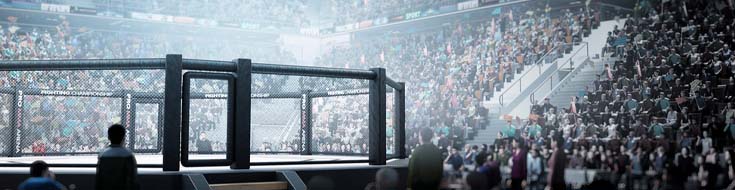
UFC events are fascinating when titleholders compete again under different conditions. Scheduled for October 11, 2025, in Rio de Janeiro, UFC FN 261 is showcasing Oliveira lightweight title holder, vs. Mateusz Gamrot for Oliveira’s first fight back. Given Oliveira’s recent losses and Gamrot’s recent positive performances, the odds are very closely matched, and that is great for a betting market.
With the increasing number of customers for certified UFC sportsbooks, understanding the mechanics behind the betting lines, the odds shifts, as well as the recent trends regarding the fighters, becomes very valuable. This piece will break down the value in the lines and odds shifts, and the betting market for the card will be described in two dimensions, which are two axes in a graph. I will do four main angles and provide applied betting advice, as well as buy-side answers. This material will justify a betting opinion on the card and provide a betting answer for the gamblers online right away.
You’ll get:
- The statistical importance of Oliveira vs Gamrot and its implications
- How does this pass compare to wider trends in the UFC
- Pragmatic perspectives for the betting community
- Future scenarios for the division
- High-level perspectives and actionable insights
- Frequently asked questions on actual betting situations
- A final preview — and a direct prompt to BetNow
Let’s get straight to the data-driven edge.
Edge Metric: Finishing Rate vs Control Dominance
The tension that defines this fight lies in the contrast between Oliveira’s finishing explosiveness and Gamrot’s control consistency. Oliveira is still one of the most dangerous submission artists in UFC history; however, he has been getting caught in recent fights when he is dragged into longer exchanges. Gamrot is most comfortable in situations where he can apply sustained pressure and control his opponent, forcing them to make grinding decisions in the clinch and positional control.
Current betting odds see Gamrot as a slight favorite at about 1.80, with Oliveira very close at 2.00. This narrow margin suggests a stronger confidence in Gamrot’s consistency as opposed to overwhelming trust in his dominance of the fight. Given the odds, which suggest a 55-60% market finish rate in lightweight bouts, it is safe to say the books are underestimating the volatility Oliveira brings to the table.
Gamrot’s victory strategy relies on volume and patience. For Oliveira, victory comes with disruption, taking advantage of scrambles, chaos, and rapid transitions. Oliveira statistically has one of the UFC’s best rates of securing submissions once a fight goes to the ground. If he establishes a rhythm early on, he can turn the fight around in the blink of an eye. Even minor opportunities can be decisive.
If Oliveira secures an early clean strike or a scramble, the return on the fight becomes significantly higher. If Gamrot controls the pace and takes minimal risk, the decision balance swings in the other direction, in which case he can lose on points and still win the fight. That’s what the betting odds reflect.
Contextual Comparison: This Card vs UFC Trends
To understand value, you need context. UFC Fight Night 261 isn’t just another regional card — it reflects patterns we’ve seen emerging in 2025.
1. The home-field effect is undeniable.
The energy from the audience is crowd-driven and will be in favor of the home fighters. With the 13th UFC event in Rio, the energy is palpable. Brazilian judges tend to favor Brazilian fighters, albeit slightly, and in longer fights, this is more pronounced. This is something Brazilian bettors should take note of.
2. The volatility added from fighters moving up a weight class.
Due to the laid-off period and stagnation of their weight, a couple of fighters will be contesting in new weight classes. Joel Álvarez is going up in weight to contend with Vicente Luque, who will have the advantage in reach but will also carry the risk of losing a great degree of toughness due to the weight increase. These changes in weight class often lead to unpredictable fighting styles and an increased likelihood of finishing the fight.
3. Late-replacement fights disrupt preparation cycles.
Gamrot stepped in last minute for Rafael Fiziev in Oliveira’s first booking. This is relevant. A fighter preparing for a striker and then having to quickly adjust to a wrestler is a huge tactical shift. On the other hand, Gamrot had less of a chance to scout the opponent, but he also missed the mental prep burden of a full camp.
4. Undercard volatility and finish odds.
Looking at other fights on the card, other than Deiveson Figueiredo vs Montel Jackson, the widespread indecisiveness on the odds shows that there is a perceived opportunity on the underdog props. This is the type of situation where sharp bettors can exploit value in ongoing action against the public.
Compared to other lackluster events, UFC Fight Night 261 has higher variability in expected outcomes. Differences in fight styles, flow of the audience, and sudden changes can produce weak market lines. This means players with an analytical mindset may uncover valuable mispriced prop options on rounds finishing, total rounds, and fights going the distance.
And yes, when people search for UFC Fight Night betting odds, that’s where this volatility becomes your weapon. Small deviations in the undercard odds often hint at where oddsmakers have over- or under-corrected.
Tactical Moves You Can Use
Now, here’s how to turn that information into practical betting actions:
1. Lean on late-round finish props for Oliveira.
He becomes very dangerous after round one. Once he withstands early control, his submission attempts become more pronounced. Some sportsbooks underestimate his odds of finishing in the rounds after the second, which is a lost pricing opportunity.
2. Be selective with heavy favorites.
Inflated lines are common with heavy favorites like Montel Jackson. Under these volatile conditions, the best approach is to focus on the overs/unders or props, rather than straight bets that offer little value.
3. Observe the odds after weigh-ins.
Weight issues close to the fight or public bets can throw the lines off. If Gamrot’s odds are shortening after the weigh-ins, that means he is getting heavy public bets, and you should think about the expanded value in counter positions.
4. Target over/under rounds with stylistic mismatches.
Gamrot’s durability and Oliveira’s aggression could take the fight past 1.5 rounds before the chaos ensues. These thresholds are mispriced due to overreactions to highlight-reel finishes.
5. Risk management by live-betting.
If the fight starts with less aggression than anticipated, mid-round live-betting allows precautionary hedging, especially with control metrics available and developed in real time.
6. High-liquidity markets.
Betting on thin undercard props with extreme juice is unwise. Look instead for measurable action on bouts where the spreads stabilize to bet on.
Spend your time where uneven implied probability and real performance potential lie, instead of the thrill of the chase.
Projections & Scenario Forecasts
Let’s outline realistic outcomes for the headliner and ripple effects for the lightweight division.
Gamrot wins by decision (most probable).
Gamrot utilizes forward pressure and clinch control, and seamless transitions to neutralize Oliveira’s striking. Gamrot’s ranking rises and sets him up for a top-three contender slot. Judges reward positional dominance, and scorecards will likely read 30-27 or 29-28.
Oliveira wins via submission or TKO (mid-probability).
If Oliveira forces a scramble or catches a limb during a transition, his instinct to finish will likely take over. Oliveira has historically finished over 40 percent of his ground attempts into submission chains, and a quick finish could shock the live lines.
Split decision tilt.
In close rounds, the Brazilian crowd, given its vast enthusiasm, can change the outlook of the judges. An extremely close fight might swing on the Oliveira side of statistical equality. For gamblers, a +250 or higher line on a decision becomes appealing.
Early chaos.
A quick finish is possible if either side lands big in the first couple of rounds. Oliveira’s forward-pressure striking sometimes leaves defensive gaps. If Gamrot capitalizes, it’s over fast — but that’s less likely.
For the undercard fights, expect multiple finishes — the mix of debutants, local fighters, and stylistic mismatches suggests a finish rate in the 65 percent range. Take note that there will likely be three stoppages at a minimum across the prelims and the main card overall.
In summary, Gamrot by decision is the most conservative approach, while Oliveira by finish is the most rewarding risk. Underdog props should provide more value than straight favorites.
Expert Insights & Strategic Tips
Concentrate on the volatility instead of the prediction.
Winning bettors don’t try to predict the future; they try to exploit uncertainty. Cards with high variance tend to favor those who play implied-odds gaps instead of supporters of the narrative favorites.
Reduce correlated parlays.
Do not create parlays with outcomes that are likely to happen together, like Oliveira to finish with under 2.5 rounds. Both outcomes will be true if one is true, but you are increasing the risk without increasing the reward.
Apply bankroll segmentation.
Allocate around 70% of your bankroll to high-value, high-confidence, and data-supported bets and 30% to riskier bets and props. This proportion will preserve your ROI on unpredictable nights.
Follow sharp line movements instead of fan pressure.
Public bettors tend to overweigh local heroes. If you see line drops on Gamrot last minute despite hype around him, that is likely worthwhile insider money.
Bet at the right time.
The best time to bet is early in the week for openers, and post-weigh-ins for corrections. The absolute worst time to bet is right before walk-outs when lines are the most volatile and the juice is at its highest.
Assess stylistic mismatches, not records.
A 3-fight winning streak is not impressive if all the opponents had incompatible styles. Examine how one fighter’s core strategy and weapons neutralize or expose the other’s.
These six elements provide a framework for making informed and consistent decisions not only for a single fight card but for multiple fight nights.
Frequently Asked Questions
Q: What is UFC Fight Night 261 and where is it taking place?
A: It’s an official UFC event scheduled for 11 October 2025 at Farmasi Arena, Rio de Janeiro, Brazil. UFC Fight Night 261 is headlined by Charles Oliveira vs Mateusz Gamrot.
Q: How do oddsmakers determine UFC lines?
A: They use historical data, metrics, injury reports, and public inquiries to gauge win probability. Then, as value displaces, the line shifts with the bets and the odds.
Q: What is the single biggest factor for this main event?
A: The single biggest factor for this main event is the clash of tempo. Oliveira’s explosive scrambles vs Gamrot’s disciplined control. The first person to establish tempo will determine the rhythm and control the fight.
Q: How do the finishing and control rates affect bets?
A: Fight finishers create scoring volatility which is a deviation from expected value. Control fighters stabilize scoring but lower volatility in the margin for the bettor. The intelligent bettor will place a bet in line with the control fighters scoring propensity.
Q: How Expert Picks Improve Success Rates on UFC Betting Sites?
A: UFC expert betting picks go deeper than numbers. Experts parse film, training-camp whispers, and stylistic shifts — details that stats miss. Their picks filter hype from reality, boosting decision quality and long-term win rates.
Q: When’s the best time to place a UFC bet?
A: The best time to place a bet on UFC is after the weigh-ins or right at line release. Early lines tend to be inefficient and thus, poor. Post-weigh-in bets consider real conditioning and late cut data, which is far more accurate.
Q: What are the biggest risks in UFC betting?
A: Some risks include injuries, judging anomalies, emotional over-betting, last-minute pullouts, etc. The best way to protect your bankroll during chaotic nights is to limit exposure per fight.
Q: Are undercard fights worth betting?
A: Definitely — value hides there. Lower-tier fights attract less public attention, leaving the odds less efficient. Studying fighters’ regional tape can find mispriced opportunities.
Final Round: Locking Your Edge
Here’s what to remember heading into UFC Fight Night 261:
- The main-event dynamic is finish risk vs control reliability — Oliveira’s volatility could reward bold bettors.
- The Rio crowd and replacement storyline inject unpredictability across the card.
- Finish props, totals, and late-round bets hold more value than picking obvious favorites.
- Smart bankroll use and timing separate consistent profit from random wins.
The smartest play is staying disciplined, scanning for mispriced volatility, and executing through a certified UFC sportsbook online that updates odds accurately and pays reliably.
Keep a pulse on weigh-ins, watch sharp line movement, and when it’s time to act — place your bets with BetNow. That’s how you turn insight into execution.

Hilbert Mayer
Sports Writer
Hilbert Mayer is a professional sports writer, betting analyst, and content strategist with over 15 years of experience in the sports industry. Before focusing on sports betting analysis and handicapping, Hilbert worked as a sports writer for various news outlets, covering everything from game recaps to in-depth matchup features. Today, he specializes in MLB, NFL, March Madness, and UFC betting, combining his journalistic background with deep statistical expertise and real-world betting insights. His proven track record, sharp reads, and ability to break down complex matchups make him a trusted voice among both casual bettors and seasoned sharps.
Published on: October 9, 2025
Last updated: October 9, 2025