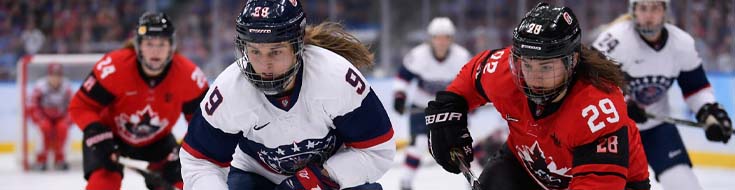
For the first time in 12 years, the NHL season has stopped so its best players can compete for Olympic gold, bringing superstars like Connor McDavid, Auston Matthews, and Leon Draisaitl back to the world stage. That single change reshapes everything: team momentum, playoff races, injury outlooks, and even the way odds move on hockey betting websites during the stretch run.
The Olympic break is not merely a vacation. It’s a steep divider of the NHL season (not including preseason and postseason). Teams that were scorching before the break may ice down. Other teams use the break to alternate lineups, heal injuries, or promote prospects into bigger roles. And once the play restarts, the calendar becomes frantic – very tight schedules, back-to-backs, and trade-deadline madness.
What does the break mean for the NHL? How does it affect performance, scheduling, betting, and the market right after the break? Our aim is to help analytical fans and bettors observe the changes during and after the pause and the resumption of the NHL.
The Split Season Effect: What the Break Really Changes
The Momentum Reset Nobody Can Predict
Several teams are poised to enter the 2026 Olympic break on high notes. The Wild currently have a 5 game winning streak while the Golden Knights have taken the division lead with back-to-back wins. Momentum like this would typically drive power rankings and betting lines.
Then there is the Olympic break. Teams go from a grueling schedule with games nearly every night to not playing for an unheard of length of time while international competitions occur. Players will return from the break to play with a heavy load from the international games, while others will likely be on the verge of injury from over exertion. This is all incredibly subjective and difficult to hedge bets on.
Based on historical precedent, the Olympic break is notorious for producing unpredictable and wild second half performance by teams. League stats and production tracking nearly always demonstrate a paradigm shift in the way the game is done. Everything post Olympics is never the same as the pre Olympics game.
Expect to see a large discrepancy on betting lines for the games post Olympic break based on pre Olympic break stats and wins.
The Schedule Crunch That Drives Results
The Olympics create a bottleneck in the schedule. After the Olympics, the schedule needs to be compacted. Most teams will play five or more games in a short period, which will include back-to-back games, and will leave little time for practice.
That sort of schedule compression means a lot will change:
- The rotation for goalies will become stricter.
- Depth players will get more playing time.
- There will be more fatigue with special teams.
There will be more volatility. When games become compressed, teams that lean on one line or one starting goalie will struggle more, while teams with more balanced rosters will climb the standings.
From a betting angle, this is where totals and hockey prop bets start shifting. Fatigue tends to increase scoring late in back-to-backs, especially when backup goalies play. Bettors who track travel schedules and rest days gain a measurable edge.
Practical Angles Bettors Can Actually Use
The opportunities may be limited, but the Olympic break isn’t just a story; it creates betting opportunities.
1. Bet against teams with a lot of Olympic players.
Injuries and fatigue are potential risks for clubs that go to the games with players and newly signed stars. Even if they come back healthy, their travel and international games may be slow.
2. At the beginning, bet on the better depth teams.
More balanced rosters tend to perform better than top-heavy ones. During the straight schedules, they are better at managing ice time and stay on their feet better during the long road trips.
3. Pay attention to trends with goalie usage.
Backups are going to be utilized more due to compressed schedules. This can create more underdog value and hint at pushing totals higher.
4. Fewer injuries may lead to more betting opportunities.
The dates leading up to and the break from the Olympics often have injuries, and the roster is often changed as teams deal with the fatigue of the players and minor injuries.
The Stretch-Run Projection: Who Gains After the Break
As soon as play resumes, there is a very brief time window for teams before the trade deadline arrives, and they must stop for the regular season. This makes every game crucial for the teams.
This is where the contenders and pretenders are distributed further. Teams that sit at the top of the power rankings and are healthy at the end of the break can control playoff positioning.
Teams that sit on the bubble, however, have a different experience. They must push the hardest right after the break, and they typically do not have the same depth and are more tiring. This is where the betting markets can justify teams based on their narratives that were written before the break, instead of their trade value now.
After the Olympics, three major events are going to occur.
- More betting overs are going to be placed on games that are back-to-back.
- We are going to see more underdog wins in games where the teams have to travel.
- There are also going to be rapid shifts in the standings for teams that sit in the wild-card positions.
Expert Insights: Six Betting Tips for the Olympic Stretch
Track Olympic ice time, not just participation
Fatigue is relative. A player who logs heavy minutes at the Olympics will return more worn down than a player who plays in a small role. Reports of ice time give more context than simply saying a player was, or was not, on the roster.
Bet early lines after the break
Before the break, oddsmakers focus on current stats. After a two-week off stretch, rosters look different. Early betting lines tend to be softer.
Watch the first game back for each team
There is a lot to learn from the first game back. It speaks to conditioning, chemistry, and goalie rotation. It is a crucial piece of the puzzle.
Prioritize schedule spots over season stats
In a compressed schedule, back-to-backs and travel fatigue affect the outcome more than season averages.
Look for totals inflation late in road trips
Defensive structure tends to drop after long travel sequences. Overs become more attractive in those spots.
Follow trade-deadline rumors closely
After the break, teams out of playoff contention start changing their approach. That could create a different level of effort and quality of the lines.
Frequently Asked Questions
Q: What is the NHL Olympic break?
A: The NHL has scheduled breaks so it can allow its players to play for their home countries in the Winter Olympics. 2026 will be the first Winter Olympics since 2014 in which NHL players will be present.
Q: Why is the 2026 break more important than past ones?
A: The NHL did not participate in the 2018 or 2022 Olympics, so this will be the first time since 2012 that the NHL will have top players in the Olympics. For many of these players, this will be their first time playing in an Olympic tournament.
Q: How does the break affect team performance?
A: It resets momentum. Hot teams can cool off, and struggling teams may improve after rest. Historical stats show scoring leaders often change after Olympic pauses.
Q: Does the schedule really get tougher after the break?
A: Yes. Most teams play multiple games per week with frequent back-to-backs. The calendar becomes a sprint toward the playoffs.
Q: How Bettors Can Maximize Live Betting Wins on Top Hockey Sites?
A: To maximize live betting wins on the top hockey betting sites, focus on fatigue indicators. In back-to-back games, watch for slower starts, reduced forechecking, and backup goalies. Those in-game signals often create live over opportunities or underdog value.
Q: Is there a higher chance of injuries sustained during Olympic years?
A: Yes, the risk of injuries increases because of the added international competition. Olympic play adds an additional layer of physicality on top of the pre-break injuries that each team already contends with.
Q: Do stronger teams reap the most benefits from the break?
A: Traditionally, yes. Deep contenders return from the break better outfitted to handle the scheduled crunch, while the bottom teams are left to deal with fatigue and roster imbalance.
Q: Is the first week after a break the optimal betting window?
A: Yes, most of the time this is correct. The betting lines are created based on data that predates the break, while the teams have undergone changes in their form. This dislocation is a betting advantage to those who are aware of the changes in the roster and the schedule.
The Real Edge Comes After the Ice Melts
The Olympic break looks like downtime, but it’s actually the turning point of the NHL season. Momentum resets. Depth starts to matter more than star power. And the schedule becomes relentless.
Three takeaways stand out:
- The first week after the break offers the softest betting lines.
- Depth teams usually outperform top-heavy rosters.
- Compressed schedules drive totals and underdog value.
For bettors, the edge comes from tracking fatigue, goalie rotations, and lineup changes instead of relying on season-long stats. That’s where the numbers shift, and where hockey betting websites start adjusting prices.
Stay sharp during the Olympic stretch, watch the early post-break trends, and be ready to act quickly. If you want to put these insights into play, head over to BetNow and start tracking the lines before the market catches up.

Hilbert Mayer
Sports Writer
Hilbert Mayer is a professional sports writer, betting analyst, and content strategist with over 15 years of experience in the sports industry. Before focusing on sports betting analysis and handicapping, Hilbert worked as a sports writer for various news outlets, covering everything from game recaps to in-depth matchup features. Today, he specializes in MLB, NFL, March Madness, and UFC betting, combining his journalistic background with deep statistical expertise and real-world betting insights. His proven track record, sharp reads, and ability to break down complex matchups make him a trusted voice among both casual bettors and seasoned sharps.
Published on: February 6, 2026
Last updated: February 8, 2026