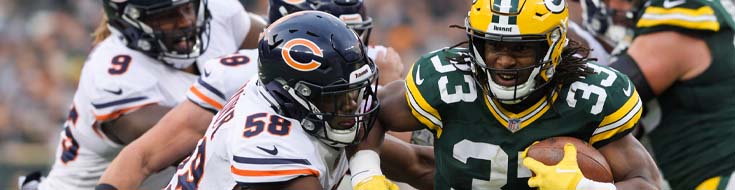
On January 10, the Chicago Bears and Green Bay Packers will battle again for the 201st time, and the season will be on the line. This rivalry is the most competitive in all of professional sports. This is the setup for a great game for the whole world to see. They will enter the Wild Card playoffs and will set the record for most watches on a game. This is a great start to the White Card Wild Card playoffs, as there is a great, heavily marketed, primetime game in Pittsburgh featuring the league’s most stable franchise culture, C.J. Stroud. This is where the big money will be made for the playoffs.
These matchups aren’t just about nostalgia or TV ratings. They shape betting markets, futures positioning, and how sportsbooks price risk for the rest of January. Anyone tracking a top NFL sportsbook already sees movement tied to injuries, travel, weather, and quarterback efficiency. The numbers matter, but so does context — rivalry pressure in Chicago, playoff tempo in Pittsburgh, and how young quarterbacks respond under national lights.
In this case, we’ll be looking at both the Packers and the Bears’ rivals and single out how the Texans and Steelers will be the most boring game of the Wild Card. We will also look at how the gamblers can approach these games to make as much money as possible. We will keep this straight to the point and simple, providing historical context. We will also provide context to the game based on the previous rival years to see how both of these games will play out. The focus will be on Wild Card weekend and the history of both teams.
A Rivalry That Warps the Numbers
Packers–Bears: History Still Moves Markets
The Green Bay Packers and Chicago Bears are more than just a simple storyline; it directly impacts team play and betting odds. It has been 200+ meetings, and Green Bay has a slim all-time winning record, but in recent history, Chicago has closed in on the record. The Bears recently placed a defensive rebuild, and Aaron Rodgers’ departure also changed the impending match profile. Green Bay lacks a star quarterback, has collected a few more 0-17 wins, and has had its fair share of injuries to play.
With divisional familiarity and not a lot of variance to exploit, there is not a lot that can be done. Coaching staff are likely to know their last few stop gaps from previous years in the mold of Fouts, Kelley, and Walsh. Coaching efficiencies are not to be understated. The Bears lacked playmakers, so the Packers will likely be able to put a seam down the middle of the field and drop a dime. History also tells us there will likely be fewer attempts on the overs than in most seasons.
In-season betting also implies that there will be a lot of hits and violence dished out, not a lot of points. Seasonal trends will also drive down individual player and team scoring. Historically, players take hits in the betting circles, not the contact on the field. Defenses are put in place, and more individual matchups are closed down. These early Walters will deflate scores on dual sides, not coat themselves in shields and set themselves on burning subs.
Texans–Steelers: Youth vs Structure Under the Lights
The Houston Texans face off against the Pittsburgh Steelers on Monday; it’s about as contrasting as matchups come. Houston is built on quarterback efficiency and offensive spacing. Pittsburgh counters with defensive structure, situational discipline, and playoff experience.
Houston’s defense looked different with C.J. Stroud. His rookie season was efficient and showcased several “best in class” metrics, including completion percentage over expectation, sack avoidance, and third-down conversion rate. However, playoff football is different in Pittsburgh. The Heinz field in January quarters timing routes and punishes any late decision-making. The Steelers don’t need a ton of turnovers; they just need one turnover that’s on a short field.
Because of Houston’s upside, oddsmakers are confident in making their season totals and wins unders. Because of the control that Pittsburgh’s pace fits the season averages, there’s a control of Houston’s upside, as well. This is the best bet on a game of the weekend and it’s not for the hype. Given the scope of the identities, it’s a miracle that either team can survive national primetime.
Matchup Context That Actually Matters
Quarterback Play, Pressure, and Pace
More than any other factor, playoff success is driven by quarterback efficiency, and pressure rate adds nuance. Green Bay’s young quarterback unit has shown improvement against heavy blitz looks. However, Chicago’s defensive front does not utilize blitzing. They apply pressure with four and induce throws to the shallow areas. This sinks YAC and results in one-score game outcomes.
In Pittsburgh, pressure is the goal. The Steelers do not sacrifice coverage cohesion and consistently rank league-high in pressure rate. Against a quarterback like Stroud, that is far more significant than the number of sacks. Early throw triggers are the drives that get stalled. One stalled drive is a pivot in field position, and that’s what playoff games are determined upon.
Pace also tightens. Historically, Wild Card games have fewer total plays than regular-season counterparts. That lowers the impact of higher volume metrics and makes efficiency bets — number of completions, longest reception, time of possession — more dependable than straight yards.
Coaching Tendencies and Situational Edges
Coaching edges appear late. Green Bay’s staff is aggressive on fourth downs between the 40s, particularly against teams they know. Chicago goes the other way, with a conservative red zone defense, allowing short throws and hoping they’ll make a mistake. That’s the kind of chess match that favors unders on props for explosive plays.
Mike Tomlin’s Pittsburgh has one of the best records in the league as a home underdog or short favorite. His teams also don’t tend to lose in playoff openers. On the other hand, Houston’s staff has been inventive in the early parts of games with scripted drives that create stress for the linebackers and safeties. That’s the edge in first-quarter markets and opening drive outcomes.
This is also where futures bets in sportsbooks begin to change. Outcomes of these games will almost instantly alter conference pricing, especially if Houston goes on a run or if Chicago beats Green Bay at home.
Turning Insight Into Action
There is a rivalry game season. These games conjure emotions. They entice overs and side with favorites. Numbers show games capture possession for long stretches and have close endings. Late-game chaos happens. First-half unders and alternate spread bets guard against this. In Packers-Bears, the Chicago team total unders and Green Bay moneyline oversight is a safe approach.
In Texans-Steelers, the derivative markets present a better opportunity. The pressure from Pittsburgh’s defenders makes “longest completion” and sack props worth considering. The Texans’ system facilitates offensive completion props and scoring on drives early. Full-game totals shouldn’t be considered until the weather confirms a relaxation of harsh conditions.
There is a careful approach with timing. The bets on the Saturday night games stretch out with public players, and Monday night games open up. Following injuries and practice participation reports, late picks are more refined than the early line bets.
What Comes Next After the Whistle
If Green Bay gets through, they presumably face a top seed with a dominant defense and elite coverage. That caps potential, thus shifting prices on the upside. Conversely, a win by Chicago would add volatility to the NFC landscape, forcing the books to reconsider defensive assignments throughout the bracket.
The math, however, changes even more markedly with Houston advancing. Stroud on a neutral field against a non-elite pass rush creates a futures issue for the sportsbooks. Pittsburgh advancing keeps the AFC tight but predictable. They shorten the game and increase variance against the higher seeds, which inflates the pricing of underdogs in the later rounds.
These games are not endpoints; they are points of leverage. The Wild Card weekend is not a one-off bet for astute bettors. It is a portfolio reshuffle.
Expert Insights Bettors Can Use Immediately
Prioritize Pace Over Talent
While Headlines are nice, Puff Pieces Win Paper. Both games are projected to go slower than public perception. When thinking about star players, remember to focus on play count to predict over/under betting.
Weather Is a Variable, Not a Guess
The weather in Chicago and Pittsburgh is affecting the effective range for kickers and serious passing attempts. Don’t touch over/under or prop bets for kickers until the forecast is in.
Divisional Familiarity Shrinks Margins
Again, the Bears and Packers are not likely to see a blowout. Bet on alternatives and live, rather than pregame, betting for more value on the underdogs.
Pressure Metrics Beat Sack Totals
Between Texan and Steelers games, pressure and hurries are more important than sack counts to consider. Look for props relating to hurries and betting on the results of early drives.
Prime-Time Public Bias Is Real
The public’s money is mysteriously drawn to Monday Night games. This is why lines are adjusted at the end of the week, so don’t bet the favorites.
Frequently Asked Questions
Q: Why Is Packers–Bears Such a Big Deal for Bettors?
A: This is one of the more historic rivalries in the league and a rare playoff meeting. Because they are familiar with one another, there is less randomness, so props and other markets are more efficient than the game results.
Q: Is It Better to Bet Early or Late in the Week?
A: Late in the week, you have more information available in terms of injuries and weather, especially with outdoor games. Early in the week, the lines are generally more efficient, so the only reason you should bet early is to try and capture an edge on a bad line.
Q: Do Prime-Time Games Play Differently?
A: They do. The game flow is typically slower, there are more penalties, and more often than not, coaches will put the handbrake on early in the game. Also, the betting public will shift the lines more.
Q: Are Player Props Safer Than Game Bets?
A: They can be, especially when they are tied to role and usage more than the outcome. In the postseason, props tied to efficiency will typically outperform just a yardage total.
Q: How Should Futures Be Adjusted After Wild Card Wins?
A: Be quick. The market for a lot of futures will be slashed before the last whistle is blown, especially if the team has a young QB or an elite defense.
Q: How Do Sportsbooks Handle Ties in Betting?
A: Most standard bets result in a push if a tie occurs, meaning the stake is returned at the best sportsbook online, though some markets clearly specify overtime inclusion, so always check house rules before placing a wager.
When Rivalry Meets Leverage
Wild Card weekend sets tone, pricing, and narrative in one swing. Packers–Bears brings history, compressed margins, and emotional volatility that rewards disciplined betting. Texans–Steelers delivers contrast — structure versus explosion — and reshapes AFC expectations overnight. The edge comes from reading pace, pressure, and context before chasing highlights.
Using a top NFL sportsbook means recognizing when markets overreact and when they hesitate. These games sit right in that tension. Stay selective, respect conditions, and treat each wager as part of a larger January plan.
If you’re ready to act, BetNow offers early access, flexible markets, and sharp derivatives built for playoff football. That’s where preparation turns into position before the rest of the weekend catches up.

Hilbert Mayer
Sports Writer
Hilbert Mayer is a professional sports writer, betting analyst, and content strategist with over 15 years of experience in the sports industry. Before focusing on sports betting analysis and handicapping, Hilbert worked as a sports writer for various news outlets, covering everything from game recaps to in-depth matchup features. Today, he specializes in MLB, NFL, March Madness, and UFC betting, combining his journalistic background with deep statistical expertise and real-world betting insights. His proven track record, sharp reads, and ability to break down complex matchups make him a trusted voice among both casual bettors and seasoned sharps.
Published on: January 6, 2026
Last updated: January 12, 2026