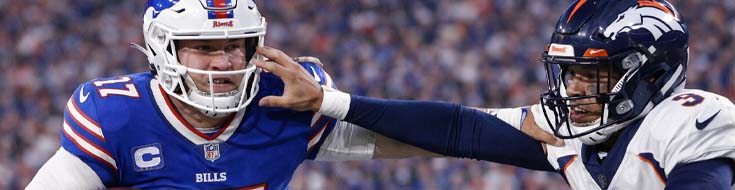
The NFL playoffs tend to punish consumer assumptions, and more so when home teams aren’t the ones the public expected to see hosting. This weekend’s slate puts that tension front and center. The Denver Broncos hosting the Buffalo Bills, and the Seattle Seahawks hosting the San Francisco 49ers, flips the usual playoff narrative on its head. Road favorites, hostile environments, and one true divisional matchup create a volatile mix bettors need to understand before touching a line.
This is the type of week when consumers tend to search for the best NFL sportsbook for betting, not because the picks are apparent, but because this week is all about pricing discipline over confidence. These matchups accurately combine altitude, crowd noise, weather risk, divisional familiarity, and public bias to brand-name teams. The market moves fast, and mistakes magnify quickly.
What follows is a breakdown of how home-field advantage applies in the context of the playoff line, how the Broncos-Bills line illustrates the challenges of being a heavy favorite, how the Seahawks-49ers line reflects the different ways divisional playoff variance shows up on the scoreboard, and where I think bettors can operate without noise.
When Home Field Isn’t About Reputation
Denver and Seattle Don’t Win the Same Way
Seattle and Denver have contrasting home advantages, both meaning something in January. Starting with Denver, the altitude helps. Historically, visiting teams have shown defensive drops in the second-half shift at Empower Field. Fatigue matters most when trying to push the think or close down on underdogs.
Seattle has familiarity and noise on its side. Of all the stadiums in football, Lumen Field is still among the most rowdy. The home defensive performances in Seattle have always outstripped the road ones. For a San Francisco offense that uses a fair bit of pre-snap motion and timing, this is important as the stress in the crowd really disrupts those flows.
Seattle and Denver have contrasting advantages, both meaning something is in January. Starting with Denver, the altitude helps. Historically, visiting teams have shown defensive drops in the second-half shift at Empower Field. Fatigue matters most when trying to close down on underdogs or push the think.
Why Road Favorites Carry Extra Risk
Buffalo and San Francisco enter these matchups with better season-long metrics and deeper playoff histories. That’s exactly why the market favors them. But road favorites in the postseason present a different set of problems. Since the playoffs expanded, road favorites win often but cover the spread noticeably less than home favorites.
The reason is game control. Road coaches tend to manage the game early on with ball security and field position, which in turn, slows the game down. Leads are more protected than extended. When the home team is down less than a score going into the second half, the game becomes more random. One turnover, one odd special teams play, one fourth down stop, and the entire spread is likely to fall into the hands of the home team.
This is where sportsbook betting strategies shift from team strength to situational awareness. The better team on the field is not always the team with the better betting profile, especially on the road.
49ers vs Seahawks Is Not Like Bills vs Broncos
Only one of these games is a true divisional matchup, and that matters. San Francisco and Seattle are familiar with each other’s personnel, tendencies, and coaching preferences. Historically, divisional playoff games run tighter than non-divisional games, even when one team has dominated the regular season series.
Seattle has been able to limit San Francisco’s explosive plays at home, and that means she the defense is making San Francisco take longer drives and increasing the third down variance. That doesn’t mean Seattle is “better.” It means the margin for error shrinks.
In the Bills vs. Broncos matchup, that familiarity is absent. The variance tonight is in the the environment, not the scheme. Denver’s path to keeping the game close relies on slowing the pace, shortening the possessions, and forcing the Bills to execute in the red zone rather than the open field.
Recognizing where the variance is scheme vs the setting helps a bettor not erroneously consider these games the same, and just because both involve road favorites.
Where the Numbers Tend to Break
In the case of Buffalo vs. Denver, the full-game spreads are usually the weakest. Denver games usually slow down and Buffalo’s offense and quarterbacking are the public betting drivers. Alternative total and first-half markets tend to present a cleaner edge, since they are before the other variables of fatigue and game situation take effect.
In the case of San Francisco playing Seattle, the value of live betting increases. Divisional feel-out periods usually are the result of greater familiarity and then quicker adjustments. If Seattle’s defense holds the first drive, then the San Fran prices should drop to more realistic levels during the game.
Exercise more patience with totals. Playoff unders require the pace to truly drop to be profitable, but the cold weather and the noise drive people betting unders; just because it’s playoff unders doesn’t mean the pace truly has to drop. Not betting the weather without looking to see how the teams are playing is how bankrolls are lost.
What These Games Signal About the Playoffs
In the postseason, context is king, and reputation is irrelevant, as these matchups illustrate. Home teams just have to throw the opposition off their game. They can control the pace and force the favorites to play imperfect football, and still, cash the tickets, even if they don’t dominate.
Road favorites, who are expected to go to the Super Bowl, often win, but don’t separate. This problem is amplified in the divisions, especially if one team is comfortable playing ugly.
For bettors, the most important lesson is simple, if uncomfortable. The most enticing playoff bets often come from the most noise, but they are the clearest. They come from a bottom understanding that playoff pressure changes behavior, and a peak understanding that playoff pressure changes behavior, not just the outcomes.
Expert Insights: Playoff Betting Without Overreach
Separate “Best Team” From “Best Bet”
Having the best roster doesn’t always mean they’ll be great against the spread. Focus on margins, not stories.
First Halves Reduce Randomness
Early on, scripted drives and aggressive playcalling ruled. In the second half, they invite clock control.
Divisional Games Demand Smaller Positions
When teams know each other, the variance is higher. Bet sizing reflects this.
Home Underdogs Aren’t Passive
These teams aren’t existing, they’re running the show. Give them their due.
Watch Market Movement, Not Headlines
News late in the week is often confirmation of what the lines are saying. Early numbers are more important.
Frequently Asked Questions
Q: Why is it difficult for road favorites to cover bets in the playoffs?
A: The more they get ahead, the more they shift to conservative game management, which is win-protecting, not margin-protecting, especially on the road.
Q: Is altitude actually an issue in Denver?
A: Yes, especially in the 4th quarter. Defensively, tired bodies show in missed tackles and slow pursuit.
Q: Does divisional familiarity always favor the underdog?
A: Not always, but it increases the variance. Less surprise from familiarity means more closer game.
Q: Is betting on the first half more conservative in the playoffs?
A: Yes. It eliminates the variability of the end of the game, which can be dictated by the clock and score protection.
Q: How Rule Shifts in Major Sports Affect Sportsbook Odds?
A: Rule changes alter scoring expectations and pace. Top online sportsbooks adjust models, but markets can lag before fully pricing the impact.
Q: Should bettors ignore playoff point totals?
A: Not necessarily, but they require more discipline, and context matters more than averages over the season.
Q: What is the biggest mistake in betting on playoffs?
A: Overconfidence. Fewer games mean the illusion of opportunity grows when discipline is lost.
When the Crowd Is Loudest, Edges Are Quietest
Bills vs Broncos and 49ers vs Seahawks aren’t about who looks better on paper. They’re about how teams perform when comfort disappears. Road favorites carry pressure. Home teams control conditions. Divisional familiarity muddies projections.
The value lies in understanding how those forces intersect — not in chasing reputation or highlights. Bettors who focus on timing, market choice, and realistic margins put themselves in a better position than those betting outcomes alone.
That’s why using the best NFL sportsbook for betting matters here. Pricing depth, flexible markets, and fast in-game options make the difference when numbers move quickly. If you’re ready to apply disciplined analysis instead of guessing, BetNow gives you the platform to do it with clarity and control.

Hilbert Mayer
Sports Writer
Hilbert Mayer is a professional sports writer, betting analyst, and content strategist with over 15 years of experience in the sports industry. Before focusing on sports betting analysis and handicapping, Hilbert worked as a sports writer for various news outlets, covering everything from game recaps to in-depth matchup features. Today, he specializes in MLB, NFL, March Madness, and UFC betting, combining his journalistic background with deep statistical expertise and real-world betting insights. His proven track record, sharp reads, and ability to break down complex matchups make him a trusted voice among both casual bettors and seasoned sharps.
Published on: January 13, 2026
Last updated: January 18, 2026