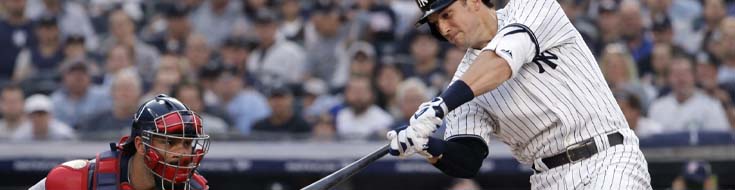
The MLB offseason has proven that the value of a roster is determined months before Opening Day. In the most recent offseason, teams that added just 2-3 WAR through offseason signings increased their playoff odds by 15 percent. This is a significant number for both front offices and bettors, as it affects their early tracking. This is why signings like Toronto acquiring power hitters for the middle of the order and many elite free agents still being available are more than just noise; it is significant.
For readers who follow MLB online betting websites, this stretch of the calendar is where soft lines and mispriced futures quietly exist. Oddsmakers react to signings fast, but not always completely. Context matters. Fit matters. Timing matters.
Toronto acquiring power and making the AL more competitive, the reasons for the lack of available top free agents, and how bettors can start making assumptions based on roster turnover will be explained. We will analyze the numbers associated with the recent moves, as well as the differences between the teams that are making noise and those that are simply waiting, and provide potential predictions for future movement in the market.
Toronto Adds Power — Why This Signing Changes the Math
Toronto didn’t just add depth. They added intent. In-season stats suggest that the Blue Jays need a bat that can consistently wreak havoc on the lineup from the right-hand side, a void exemplified by stretches of the last season. In the past three seasons, the Blue Jays have had a top ten on-base percentage, and at the same time, in high leverage situations, demonstrated league-average isolated power. This gap was a factor in the Blue Jays’ playoff performance.
The new addition is coming off back-to-back seasons of 30+ home runs, which, coupled with elite contact-hitting and durability averaging 140 games a season, is impressive. Translating numbers from international leagues requires adjustment, but system projections have him finishing the season with a 3-4 WAR, which is meaningful in a division that is often decided by narrow margins.
Power hitting is an enhancement to the risk/reward patterns of a deeper lineup. This addition limits the runs an opposing starter can concede. It also messes with the line in terms of the set of home runs predicted. It also enhances the team totals, run line, and first five innings over added power that the Blue Jays can strike.
How Toronto Compares to Other AL Contenders
While Toronto was first to make a move, several competitors still loom. The New York Yankees made depth acquisitions, but they still have yet to address roster volatility. The Boston Red Sox are still attached to top free agents but have yet to sign someone. Tampa Bay still seems to be relying on self-developed players, rather than signing big free agents.
What distinguishes Toronto is the balance of its team. By just about every projection, Toronto is expected to have 6 players with a positive OPS+. Most of their rivals are projected to have about 4. Toronto is also expected to be above average in pitching.
This is where the futures markets tend to lag. They tend to overestimate moves involving top-tier pitching but undervalue moves that provide depth to a lineup. Bettors should notice the Toronto roster just got tougher, and with that in mind, should take bets on Toronto to win the division or post a high win total.
And for players stacking bets or building parlays, this is where a well-timed teaser bet online tied to early-season series can extract value before books fully recalibrate.
Why Top Free Agents Are Still Unsigned
Half of the market has its own story to tell, too. Impact signings on the market, such as top-tier free agents, as well as frontline starters, high-leverage relievers, and customers cornered on infielders, are still unsigned even though we are deeper into the offseason than we typically see. It’s not hesitation. It is leverage.
Teams are protecting long-term payroll concerns. With the luxury tax more closely adhered to, front offices are focusing on these shorter deals with a higher AAV, while players are demanding length. Stalemate. This lengthens signings, but does not diminish the deal goodwill once they are struck.
There is a long history of players producing at expected levels once they sign past mid-January. This past five seasons, players who signed late produced on average at 97% of their projected WAR, dispelling the myth that late deals are for players who will underperform. The variable is in the fitting, and fitting plays a role in the betting market.
When these players get signed, we should see significant movement in the odds for the World Series, division odds, and even player prop futures. Bettors who are tracking the market rather than rumors are in a better position to jump quickly.
What This Means for Bettors Right Now
In practical terms, accomplishing things promptly beats accomplishing things in bulk. Early offseason bets should prioritize structural changes versus big-name signings, and Toronto’s power addition fits that model. It enhances run production while preserving defensive value, payroll flexibility, and defense.
Short-term angles:
- Keep an eye on season win totals pre-adjustments.
- Target early-season AL East series matchups where Toronto faces lower-end rotations.
- Once lines post, look for player RBI and total base props.
Mid-term angles:
- Follow unsigned free agents linked to specific clubs.
- Once signings become official, be ready to act, not when the rumors are at their peak.
- In the first 24 hours post a change, compare implied odds gaps across different books. Early on, you should find the most inefficiencies.
This is where the disciplined bettor separates themselves from the casual action.
Looking Ahead: Market Projections and League Impact
Within the next wave of signings, we should begin to see a pattern. There will be a trickle-down effect as one high-profile free agent signing will lead to many others. This has been the case with the previous MLB offseasons. Teams waiting to sign a player as the price lowers eventually go for the others to get the price certainty.
Toronto’s signing puts pressure on the other teams in the division to make a move, as the risk of doing nothing now increases. At least two contenders in the AL are likely to go after either an impactful bat or a starter to complete the rotation.
The closing of the market on the eve of spring training is a loss of potential from a betting viewpoint. After teams are in camp, the odds are more tightly controlled as the projections are less favorable. There is a clear bet for futures, and betting during periods of uncertainty, rather than waiting until the markets are clearer, is preferable.
Expert Insights: Betting the MLB Offseason Smarter
Pay Attention To WAR, Not Headlines
Impact signings add wins, not buzz. WAR projections give a clearer betting signal.
Depth Over Star Power
Teams that add several 2–3 WAR players tend to outperform those that go after a single superstar.
Division Context Is Critical
A signing carries more weight in a close division than in one that is a runaway.
Early Win Totals Are Good To Target
Books adjust these slower than they do the futures odds.
Consider Pitch Count Trends
Lineup depth influences how long starters go — important for first-five bets.
Move Before Consensus Follows
The best prices exist when the uncertainty is the greatest.
Frequently Asked Questions
Q: What are the effects of a single power signing on team win totals?
A: A 3-WAR increase usually results in a 2-3 game increase in win projection. If pitching stays the same, books will likely be slow to adjust, providing value to bettors who pounce before the market settles.
Q: Is there risk in betting on late free-agent signings?
A: No, from a betting perspective. Performance trends suggest a sign will be at worst a small negative. The timing of the sign is less important than getting a good fit with the team.
Q: How long does it take for sportsbooks to update odds after a signing?
A: Most sportsbooks update futures within a few hours, but there is usually a lag of a day or more on derivative markets like win totals and props.
Q: Should bettors wait until spring training?
A: Waiting does lower uncertainty, but it also reduces value. The best odds tend to be before the camps start.
Q: How Rule Shifts in Major Sports Affect Sportsbook Odds?
A: Rule changes influence scoring environments and pace, which impacts totals and props. Sportsbooks online odds adjust gradually, giving informed bettors early edges when new rules alter run expectancy.
Q. Do international signings typically translate right away?
- Most signings require an adjustment period, but elite hitters with good contact abilities tend to make an impact right away, especially in favorable hitting environments.
Q. Is it smart to bet futures before the rosters are complete?
- Yes, but only for teams you expect to improve structurally. There is more risk with betting on teams with open roster spots.
Where the Smart Money Is Headed
Toronto adding power wasn’t about headlines — it was about raising the floor. Other teams will respond, and the market will follow. For bettors using MLB online betting websites, this is the phase where preparation beats prediction. Understanding why moves matter is more valuable than reacting to who signed where.
The key takeaways are simple: power changes run environments, depth wins divisions, and timing creates value. With free agents still on the board, opportunity isn’t gone — it’s unfolding.
If you’re ready to act before lines fully settle, now’s the moment to lock in positions and stay ahead of the market. Find the best odds, flexible markets, and early futures value today with BetNow.

Hilbert Mayer
Sports Writer
Hilbert Mayer is a professional sports writer, betting analyst, and content strategist with over 15 years of experience in the sports industry. Before focusing on sports betting analysis and handicapping, Hilbert worked as a sports writer for various news outlets, covering everything from game recaps to in-depth matchup features. Today, he specializes in MLB, NFL, March Madness, and UFC betting, combining his journalistic background with deep statistical expertise and real-world betting insights. His proven track record, sharp reads, and ability to break down complex matchups make him a trusted voice among both casual bettors and seasoned sharps.
Published on: January 5, 2026
Last updated: January 12, 2026