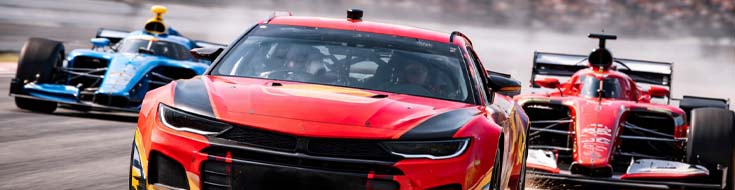
Two races into the 2026 Formula 1 season, a teenager has already taken a Grand Prix win, and in NASCAR, veteran drivers are still dominating lap counts deep into races. That contrast is exactly why motorsports betting online has become one of the fastest-moving betting markets right now. Odds are no longer stable week to week—they’re reacting in real time to performance swings, team upgrades, and driver consistency.
The early part of this season has already flipped expectations. Mercedes surged back into contention with Kimi Antonelli’s breakthrough win in China, while Ferrari showed signs of life with Lewis Hamilton returning to the podium. At the same time, NASCAR continues to reward experienced drivers like Denny Hamlin, even as younger teams like 23XI Racing push into the spotlight.
What matters for bettors isn’t just who wins—it’s how fast the market reacts. This breakdown looks at where the biggest shifts are happening, how teams and drivers are impacting betting value, and where opportunities still exist before sportsbooks fully adjust.
Where New Winners Are Rewriting the Market
The biggest shift so far in 2026 comes from Formula 1. Kimi Antonelli’s win at the Chinese Grand Prix wasn’t just a feel-good story—it immediately changed the betting structure for the Drivers’ Championship and race winners.
Mercedes had been priced as a secondary contender entering the season. After that result, their odds shortened across every major sportsbook. That’s not surprising. Antonelli didn’t win through luck—he controlled pace, handled restarts, and managed tire wear better than drivers with years more experience.
The implication is simple: sportsbooks are still catching up. Early-season winners often create lag in pricing, especially when they come from outside expected favorites. That creates value windows—short-lived, but real.
At the same time, Ferrari’s trajectory matters. Lewis Hamilton’s podium finish signals consistency returning to the team. Not dominance, but enough to make Ferrari competitive in podium markets and head-to-head bets.
The takeaway here is that new winners don’t just change standings—they reshape the entire betting ecosystem. When a new contender proves pace, odds shift aggressively, and bettors who react quickly benefit the most.
Veterans Still Control the Long Game
While Formula 1 is seeing a youth surge, NASCAR is telling a different story. Experience still wins over long runs.
Denny Hamlin’s recent victory at Las Vegas, where he led over 130 laps, reinforces a consistent pattern—veterans dominate races that require tire management, strategy, and composure over long stints. That’s not changing in 2026.
Even with teams like 23XI Racing climbing the standings, their success is still tied to disciplined race execution. Tyler Reddick and Bubba Wallace are performing well, but they’re doing it within structured systems that emphasize consistency over aggression.
This creates a split betting landscape:
- Formula 1 = volatility, rapid odds movement
- NASCAR = stability, predictable performance trends
Understanding that difference is critical. Bettors who treat both series the same miss value.
Midway through the season, sportsbook online odds often lag behind driver consistency in NASCAR. A veteran finishing top five repeatedly may still be priced longer than their actual probability suggests. That’s where long-term ROI comes from—recognizing patterns before they’re fully priced in.
Turning Race Data Into Betting Decisions
There’s a clear way to approach motorsports betting right now—focus on measurable performance, not narratives.
Start with pace metrics. In Formula 1, qualifying speed combined with race-day tire management tells you more than headlines. Antonelli’s win wasn’t just about pole position—it was about maintaining consistent lap times under pressure.
In NASCAR, track type matters more than almost anything else. Darlington, for example, rewards drivers who can manage tire degradation over long runs. That immediately increases the value of experienced drivers and teams with strong pit strategies.
Practical approach:
- Track-specific history matters more than overall standings
- Recent form (last 2–3 races) outweighs season averages early on
- Team upgrades and reliability trends should be monitored weekly
Avoid overreacting to single-race results. Instead, look for patterns—consistent finishes, lap leadership, and pit efficiency.
Bettors who stay disciplined and data-driven consistently outperform those chasing hype.
What Happens Next in the Betting Markets
Looking forward, the biggest factor isn’t who wins—it’s how quickly sportsbooks adjust.
In Formula 1, expect Mercedes to remain short-priced if Antonelli continues performing at this level. However, early-season momentum can fade quickly if other teams introduce upgrades. That creates a cycle where odds expand and contract rapidly.
Ferrari is the team to watch. If Hamilton and Leclerc maintain consistent podium finishes, their odds will tighten significantly. Right now, there’s still value before that adjustment fully happens.
In NASCAR, the outlook is more stable. Toyota-backed teams—especially Joe Gibbs Racing and 23XI—are likely to remain competitive across multiple tracks. That consistency will gradually shorten odds, but not as quickly as in Formula 1.
The key projection:
- F1 odds = high volatility, frequent reshuffling
- NASCAR odds = slower adjustments, steady trends
For bettors, timing is everything. Enter markets early when trends emerge, not after sportsbooks correct pricing.
Expert Betting Insights for Motorsports
- Focus on Qualifying in F1
Starting position heavily impacts race outcomes. Drivers starting on the front row win a high percentage of races. Backing strong qualifiers early in the weekend often gives better value than race-day bets.
- Prioritize Track Specialists
Certain drivers consistently perform well at specific tracks. Use historical performance to guide bets, especially in NASCAR where track familiarity matters more.
- Monitor Team Upgrades
In Formula 1, car upgrades can instantly change competitiveness. Stay updated on development packages—they often signal upcoming performance jumps.
- Use Live Betting Strategically
Tire wear and pit strategy create in-race opportunities. Betting during safety cars or pit cycles can offer better odds than pre-race markets.
- Don’t Overvalue Headlines
Media narratives often lag behind data. Focus on lap times, consistency, and reliability instead of hype around individual drivers.
- Manage Bankroll Across Series
Treat F1 and NASCAR differently. Allocate smaller stakes to volatile F1 markets and larger, consistent stakes to NASCAR trends.
Frequently Asked Questions
Q: What is the best motorsport for betting right now?
A: Formula 1 offers higher volatility and bigger swings in odds, making it ideal for short-term opportunities. NASCAR provides more consistent patterns, which are better for long-term betting strategies.
Q: How do odds change so quickly in motorsports?
A: Odds react to performance data like qualifying results, race pace, and team upgrades. A single strong performance can shift expectations, especially early in the season.
Q: What Is a Teaser Bet in Sports Betting?
A: A teaser bet in sports betting allows you to adjust point spreads or totals in your favor across multiple bets, usually in exchange for lower payouts. While more common in football or basketball, it’s rarely used in motorsports due to the nature of race outcomes.
Q: Should I bet before or during a race?
Both have value. Pre-race bets offer better odds before markets adjust, while live betting allows you to react to race conditions like pit stops or safety cars.
Q: What data matters most for motorsports betting?
A: Qualifying results, lap times, tire management, and track history are key indicators. These metrics provide a clearer picture than standings alone.
Q: Is it better to bet on winners or podium finishes?
A: Podium bets often provide better value with lower risk. Winners are harder to predict, especially in volatile series like Formula 1.
Q: How important are teams compared to drivers?
A: Teams play a major role, especially in Formula 1 where car performance is critical. In NASCAR, driver skill and team strategy both contribute equally.
Q: What’s the biggest mistake bettors make?
A: Overreacting to one race. Consistency over multiple events is a much better indicator of future performance.
Staying Ahead as the Odds Keep Moving
The early 2026 season has already shown how quickly things can change. New winners like Antonelli are forcing sportsbooks to adjust faster than usual, while veterans like Hamlin continue to prove that consistency still pays off.
The key takeaways are clear. First, volatility in Formula 1 creates short-term betting opportunities. Second, NASCAR rewards patience and trend analysis. Third, timing matters—getting in before odds shift is where value exists.
For anyone involved in motorsports betting online, this is not a wait-and-see environment. It’s a react-and-adapt market. The bettors who stay informed, track performance data, and act quickly will always have the edge.
If you’re looking to turn these insights into action, now is the time. Explore the latest markets, compare odds, and place your bets with confidence at BetNow—where fast-moving motorsports markets meet real betting value.

Hilbert Mayer
Sports Writer
Hilbert Mayer is a professional sports writer, betting analyst, and content strategist with over 15 years of experience in the sports industry. Before focusing on sports betting analysis and handicapping, Hilbert worked as a sports writer for various news outlets, covering everything from game recaps to in-depth matchup features. Today, he specializes in MLB, NFL, March Madness, and UFC betting, combining his journalistic background with deep statistical expertise and real-world betting insights. His proven track record, sharp reads, and ability to break down complex matchups make him a trusted voice among both casual bettors and seasoned sharps.
Published on: March 20, 2026
Last updated: March 24, 2026