
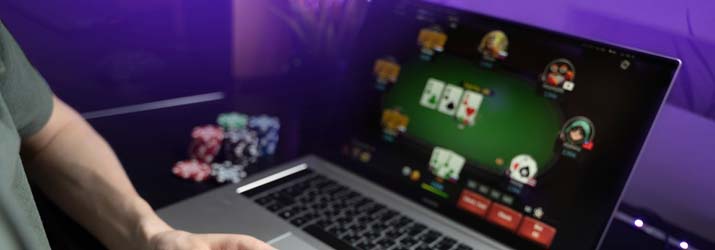
Anyone trying to figure out poker for the first time runs into the same wall. The rules look simple on the surface, yet the moment real chips are on the table, everything feels fast and confusing. Cards appear, bets escalate, and decisions have to be made in seconds. For many beginners exploring poker betting in California sportsbook environments or online poker rooms, the biggest challenge is not the rules themselves—it’s understanding how the pieces fit together.
New players ask some common questions. What winning hands are? What are the betting intervals? What is an appropriate amount of money to risk in one session? How do you learn the game without losing all your money?
Poker is a discipline game. Players who learn hand rank, the betting flow, and some basic bankroll management tend to outlast the competition and make better choices. Players without this knowledge tend to learn the hardest lessons in the game.
The following will divide the lessons into sections. To begin, we will discuss how modern poker was built and define some key terms. Following that, we will discuss more advanced concepts, including hand rankings, betting rounds, strategy changes, and typical beginner errors. Finally, we will discuss a safe and practical way to begin, including how to manage your bankroll and the tools that more advanced players use.
The Building Blocks of Modern Poker
Poker’s creation was a long and gradual process that involved multiple card games played in places like Europe and North America. In the 19th century, the first forms of poker were played in saloons and riverboats. Rules varied by location, and some places had games with only 20 cards, used different betting structures, etc.
By the 1900s, poker rules were beginning to become standard. American gambling halls began to feature five-card draw and stud poker, and eventually, Texas Hold’em became the most popular and most played variation of poker, especially online and in tournaments.
Poker was one of the first card games to go online. Using things like automated betting and stat tracking systems, people were able to observe and learn the different betting patterns and strategies involved in online poker.
Poker’s basic premise hasn’t changed in all that time. Players evaluate their hands and decide if they want to bet, call, raise, or fold.
| Concept | Explanation |
| Hand | The set of cards in a player’s possession. |
| Pot | Total chips or money at stake in a round. |
| Call | Calling another player’s bet. |
| Raise | Raising the current bet. |
| Fold | Surrendering the hand and losing the chips already bet. |
| Bluff | Wagering with a weak hand for the other players to fold. |
Before you learn any strategies for a poker game, you need to learn the basic terms first, or everything will be a jumbled mess.
In poker, you have to make decisions with incomplete information. You will not know what cards your opponents have until the end of the round. Because of this, you have to make a lot of judgment calls and bets based on your evaluations and the odds instead of certainty.
Lastly, a key difference between poker and other casino games is that you are not playing against the house. You are playing against the other players. In the long run, skill is much more of a determining factor than just luck. Luck does have some value, but your decisions, emotions, and the way you manage your money are all more important.
Understanding Poker Mechanics and Strategy
Hand Rankings Every Player Must Know
Before players can concern themselves with betting strategies, they must first know what hands win. Poker hands operate on a specific hierarchy.
| Rank | Hand | Example |
| 1 | Royal Flush | A-K-Q-J-10 of same suit |
| 2 | Straight Flush | Five consecutive cards same suit |
| 3 | Four of a Kind | Four cards of same rank |
| 4 | Full House | Three of a kind plus a pair |
| 5 | Flush | Five cards same suit |
| 6 | Straight | Five consecutive cards |
| 7 | Three of a Kind | Three cards same rank |
| 8 | Two Pair | Two different pairs |
| 9 | One Pair | Two cards same rank |
| 10 | High Card | None of the above |
Memorizing this list removes one major layer of uncertainty when starting out.
Betting Rounds Explained
In Texas Hold’em Poker, the game involves four betting rounds. Each of these rounds allows for determining the relative hand strength of the player in comparison to the cards placed on the table.
Pre-Flop
Before the betting starts, each player receives two cards that are hidden from the rest of the players. Betting starts in this round, and decisions are made primarily on the strength of the Holt and the cards dealt.
Flop
Three cards are revealed, and players can use these cards privately.
Turn
A fourth community is revealed, and betting starts and grows.
River
Finally, players are done, and each player can make one last decision before what is known as the showdown.
Every round, players receive more information, and the stronger players change their decisions with the new cards and evidence rather than committing to a plan too soon.
Strategic Principles for Beginners
New players tend to quickly underestimate the influence of skill on poker, but in the end, consistent poker results rely on skill, not luck.
Understanding position
In poker, the last players to make a decision during a betting round realize the most advantages compared to their opponents. Being “on the button” gives them the most info regarding how other players bet.
Starting hand discipline
In poker, losing players tend to make the mistake of playing a lot of hands. They end up losing chips simply because they played the hand in the first place. Weak starting hands should be folded, and this decision spares the player from having to make more difficult decisions later in the round.
Understanding pot odds
When players decide whether to call a bet, they should always consider the pot odds. If the odds favor the player, calling the bet becomes a mathematically correct decision.
Bankroll Discipline and Risk Control
In poker, you may lose in the short term. This is especially true for strong players. Thus, it is very important that you know how to manage your money.
A good number of professional players try to ensure that no more than a small, predetermined percentage of their total bankroll is at risk in any given session. This mindset, of course, is mirrored in the California sportsbook bankroll management conversations, where we try to keep your fun money separate from the rest of your finances and ensure that you will never be put at risk due to volatility.
By having a bankroll that is controlled, players are able to continue their learning process unhampered by the anxiety of their finances. Once the money at risk becomes emotionally important, the quality of your decisions is certain to suffer.
Common Beginner Mistakes and Fixes
| Mistake | Why It Happens | Solution |
| Having poor hand selection | Anticipation or impulsive reaction | Play premium hands |
| Loss chasing | Feeling or Showing Emotions | Handle your emotions |
| Position neglect | Unawareness | Give your seat some time |
| Pair overvaluation | Inexperience | Think about the cards |
| Aimless betting | Unorganized | Have a plan for your bets |
Poker rewards patience. Most losses come from unnecessary action rather than bad luck.
Step-by-Step Approach to Playing Smarter
Those who view poker as a serious learning activity rather than a game end up improving much more quickly.
Understand the rules completely.
The flow of the game can be understood by watching ‘real play’ videos or simulations. This helps internalize when to make decisions.
Begin with the smallest stakes.
If the potential financial loss is small, the mental and emotional pressure is significantly less. This clarity makes decision-making simpler.
Record your play sessions.
Even a simple record of wins and losses can show trends to the player and show decision points. Many beginners find that they lose money in particular situations.
Use training tools
Beginners who study their own decision-making processes tend to rise through the ranks more quickly than their peers who do not utilize training tools. Training resources of all types—hand history review software, probability calculators, decision-making/strategy coaching, forums, and even online poker courses—facilitate the understanding of errors and clarify the rationale behind the consistent value of certain plays. The value of training tools and the resulting study of the game accelerate the learning curve in poker to an exponential degree.
Follow a bankroll checklist
Beginning poker players can avoid unnecessary, offsetting financial burdens by adhering to disciplined bankroll rules. Setting budgets (for poker) and sticking to them, limiting the amount of money available to buy into a poker game, forbidding yourself from emotionally-driven bets (i.e. chasing losses), and pulling away from the tables (physically and mentally) when on a losing streak are positive bankroll management practices that, when combined with regular reviews, will help establish disciplined decision-making in poker and avoid offsetting swings on your bankroll.
Habits like these safeguard your money and the quality of your decisions.
Poker pays off for the patient. Those who emphasize learning played longer and developed better strategic intuition.
Frequently Asked Questions
Q: What is the easiest format for beginners to learn poker?
A: The best format to begin to learn is Texas Hold’Em. The reason for this is that the rules are the same all over the place and the majority of tutorials, videos and even online games use this format of poker.
Q: How long does it take to start making money at poker?
A: This is different for everyone. Some learn the basics in a handful of months. However, becoming consistently profitable will for sure take years of disciplined play and learning.
Q: What is the most important skill to master at poker?
A: This is either decision-making or having discipline. The players who do well know when to throw their cards, stay in control of their emotions, and do not break their system.
Q: Should beginners worry about bluffing?
A: Not especially. Beginners are encouraged to play good hands and bet with confidence before attempting to do something as complicated as bluffing.
Q: How much does your table position affect your play?
A: It affects it a great deal. Having a later spot in the order to bet gives you more to work with as you have some info about the players before you.
Q: What are the best tools to help improve your decisions at poker?
A: Some good tools for decision making at poker are the following: track your hands, use equity calculators, and some replays to revisit your decisions.
Q: How to Develop a Winning Strategy in California Sports Betting?
A: For a California sports betting strategy, focus on research, track every wager, and follow strict bankroll management. Discipline and long-term thinking matter more than quick wins.
Case Studies: Lessons from Real Player Behavior
Success Example: Gradual Skill Development
Daniel is a beginner player. He has a small bankroll. He is starting with low-stakes online hold ’em. He is spending weeks studying starting hand charts and positional strategy instead of jumping straight into big games.
Every session is limited to 2 hours, and every hand where confusion occurred is recorded. Using analysis tools, the hands that he reviewed showed patterns of his mistakes, where he was primarily calling with weak pairs, too often.
Daniel has been tightening starting hand selection, and he has been following the bankroll restrictions. This has helped him improve his results. After 6 months, his sessions at low stakes became consistently profitable. The main reason was his lack of aggression; instead, he showed a lot of betting, and the main reason was his disciplined, structured learning.
Failure Example: Emotional Decision-Making
Another novice poker player, Mark, started online poker with a much bigger bankroll. He won a few sessions at first due to a very aggressive betting style. That early success made him overconfident.
When losses came, Mark started betting even more in order to win back money. He totally disregarded starting hand discipline and ended up playing just about every hand. In a matter of weeks, a good portion of his bankroll was gone.
The issue was not a lack of knowledge about poker. It was a lack of emotional control and poor money management.
Lessons learned
- The possibility of early wins can create negative tendencies
- Emotional responses lower the quality of choices
- Set wins or losses for a certain time period to safeguard against negative tendencies
- Poker is a game that consolidates long-term behavior, not short-term aggression.
Future Trends Shaping Online Poker
Technology and digital betting platforms have changed the online poker industry.
The biggest change is the creation of data analysis tools. Players can now see their own data and understand their weaknesses more easily. These tools can even analyze large samples of hands and explain how an opponent tends to play.
Artificial intelligence is key as the online poker industry continues to advance. AI can analyze thousands of hands and develop the best strategies. Beginners can even play in certain situations without worrying about losing money.
Mobile poker is big. This means that there is a larger number of recreational players and also a fast-paced environment.
The law continues to change, and that affects how online poker is played by players and also what operators can do. As technology continues to develop, the basics of poker strategy are important no matter what.
Technology can bring a lot of benefits to online poker, but ultimately, a disciplined decision-making approach is needed to achieve positive long-term profits.
Building a Sustainable Poker Approach
Learning poker works best when players treat it like a structured skill rather than casual gambling.
Strong foundations begin with understanding hand rankings, the rhythm of betting rounds, and the logic behind each decision. Once those basics are clear, players can focus on strategic elements like position, probability, and opponent behavior.
Bankroll discipline remains the safety net that keeps beginners in the game long enough to improve. Without it, even talented players may burn through funds before gaining real experience.
For beginners exploring poker environments connected to sportsbooks or online platforms, the most valuable habit is patience. Play fewer hands. Think through every decision. Review mistakes after each session.
Staying informed also helps. Strategy communities, training platforms, and professional gameplay analysis provide insights that shorten the learning curve.
Poker isn’t mastered quickly. But players who approach it methodically—learning the mechanics, managing risk, and reviewing decisions—develop skills that last far beyond a single session.

Hilbert Mayer
Sports Writer
Hilbert Mayer is a professional sports writer, betting analyst, and content strategist with over 15 years of experience in the sports industry. Before focusing on sports betting analysis and handicapping, Hilbert worked as a sports writer for various news outlets, covering everything from game recaps to in-depth matchup features. Today, he specializes in MLB, NFL, March Madness, and UFC betting, combining his journalistic background with deep statistical expertise and real-world betting insights. His proven track record, sharp reads, and ability to break down complex matchups make him a trusted voice among both casual bettors and seasoned sharps.
Published on: March 16, 2026
Last updated: April 6, 2026